When choosing the right material for windows and doors, the options can be overwhelming. Aluminium, uPVC, and timber each have unique qualities, but aluminium has consistently risen as a preferred choice. Why? Its unmatched combination of strength, aesthetics, and eco-friendliness makes it a standout option for modern homes and commercial spaces. Let’s dive deeper into why aluminium outshines its competitors.
1. Strength and Durability
Aluminium’s Robustness Compared to uPVC and Timber
When it comes to resilience, aluminium is in a league of its own. Unlike uPVC, which can become brittle over time, and timber, which is prone to warping and rotting, aluminium frames maintain their structural integrity for decades. They can withstand harsh weather conditions, from blazing sun to torrential rains, without bending or cracking.
Low Maintenance Requirements
Aluminium is practically maintenance-free. Its natural corrosion resistance ensures it stays in excellent condition with minimal effort. A simple wipe-down occasionally is enough to keep aluminium frames looking pristine—something neither uPVC nor timber can claim.
2. Sleek Aesthetic Appeal

Slim Profiles and Modern Designs
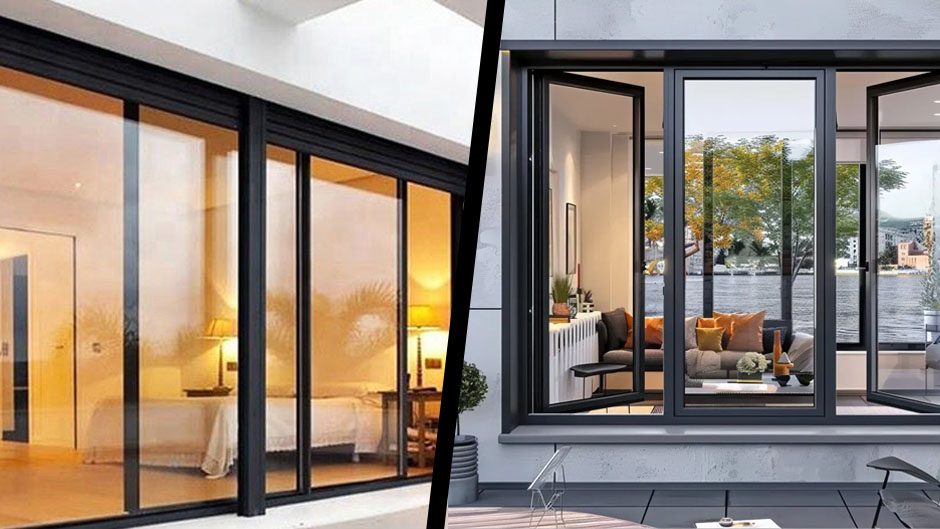
One of aluminium’s most significant aesthetic advantages is its ability to create slim profiles. This means larger glass areas and a sleeker, modern look. Where uPVC and timber might require thicker frames, aluminium offers a minimalist design that complements contemporary architecture beautifully.
Versatility in Colors and Finishes
Aluminium frames come in an array of finishes, from matte and gloss to metallic shades, thanks to advanced powder-coating techniques. Timber has a limited palette, primarily sticking to wood tones, and while uPVC offers a few color options, it can’t match aluminium’s customization.
3. Eco-friendliness and Sustainability
Aluminium’s Recyclability
Aluminium is one of the most recyclable materials in the construction industry. Unlike uPVC, which contributes to plastic pollution, or timber, which may involve deforestation, aluminium can be endlessly recycled with minimal environmental impact. Choosing aluminium is a step toward sustainability without compromising quality.
Long-Term Energy Efficiency
Thanks to thermal break technology, aluminium frames are excellent insulators. This innovation reduces heat transfer, keeping interiors cool in summer and warm in winter. Over time, this results in lower energy bills and a smaller carbon footprint.
4. Customization and Flexibility
Bespoke Solutions for Unique Spaces
No two architectural projects are alike, and aluminium understands that. It can be molded into various shapes and sizes, making it perfect for bespoke designs. Whether you need expansive sliding doors or intricate window patterns, aluminium adapts effortlessly.
Integration with Modern Features
Aluminium frames are compatible with cutting-edge technologies, including double or triple glazing, soundproofing, and smart automation. Unlike timber, which may struggle with modern fittings, or uPVC, which can be limiting, aluminium excels at future-proofing your space.
5. Cost-Effectiveness in the Long Run
Initial Cost vs. Lifespan Value
While aluminium may cost more upfront than uPVC or timber, its durability and minimal maintenance make it a cost-effective choice in the long run. The need for replacements and repairs is rare, saving homeowners money over time.
Energy Savings Over Time
With its superior insulation properties, aluminium helps reduce energy consumption significantly. These savings, compounded over years, justify the initial investment many times over.
Conclusion
Aluminium is more than just a construction material—it’s a long-term investment in strength, style, and sustainability. Unlike uPVC and timber, aluminium offers unparalleled durability, sleek aesthetics, and a greener choice for modern living. Whether you’re renovating your home or designing a commercial space, aluminium windows and doors deliver unmatched value.
FAQs
1. Why is aluminium more durable than timber or uPVC?
Aluminium resists warping, rotting, and brittleness, making it far more resilient to environmental factors than timber or uPVC.
2. Can aluminium windows and doors fit traditional home styles?
Absolutely! With various finishes available, aluminium can mimic classic designs while maintaining modern benefits.
3. Are aluminium frames eco-friendly?
Yes, aluminium is highly recyclable, reducing its environmental footprint and making it an eco-conscious choice.
4. How does the cost of aluminium compare to uPVC and timber?
Though aluminium has a higher initial cost, its longevity and minimal maintenance make it more cost-effective over time.
5. What makes aluminium frames energy efficient?
Thermal break technology in aluminium frames prevents heat transfer, improving insulation and lowering energy costs.